The theme that especially touched me in reading Luke 4 is the power of the word of God. The chapter begins with Jesus’s testing in the desert by the devil. Jesus resisted and rejected each of the devil’s temptations by quoting Scripture (Luke 4:4, 8, 12). Then, “having exhausted every way of putting him to the test, the devil left him” (Luke 4:13).
In our lives, too, the word of God is a critical piece of the divine armor the Lord has given us to defend ourselves in the spiritual battle. In this battle, the word of God is the sword of the Spirit (Ephesians 6:17). “The word of God is something alive and active: it cuts more incisively than any two-edged sword” (Hebrews 4:12).
Next, in Luke 4, Jesus begins to preach and teach in the synagogues. On one occasion, he read from the scroll of the prophet Isaiah, where it is written: “the spirit of the Lord is on me, for he has anointed me to bring the good news to the afflicted. He has sent me to proclaim liberty to captives, sight to the blind, to let the oppressed go free, to proclaim a year of favor from the Lord” (Luke 4:17-18). Jesus explained that this text was being fulfilled at that very time (Luke 4:21).
This reminds me of the journey on the road to Emmaus when Jesus, “starting with Moses and going through all the prophets . . . explained to them the passages throughout the Scriptures that were about himself” (Luke 24:27). In Jesus is found the yes to all God’s promises (2 Corinthians 1:20)!
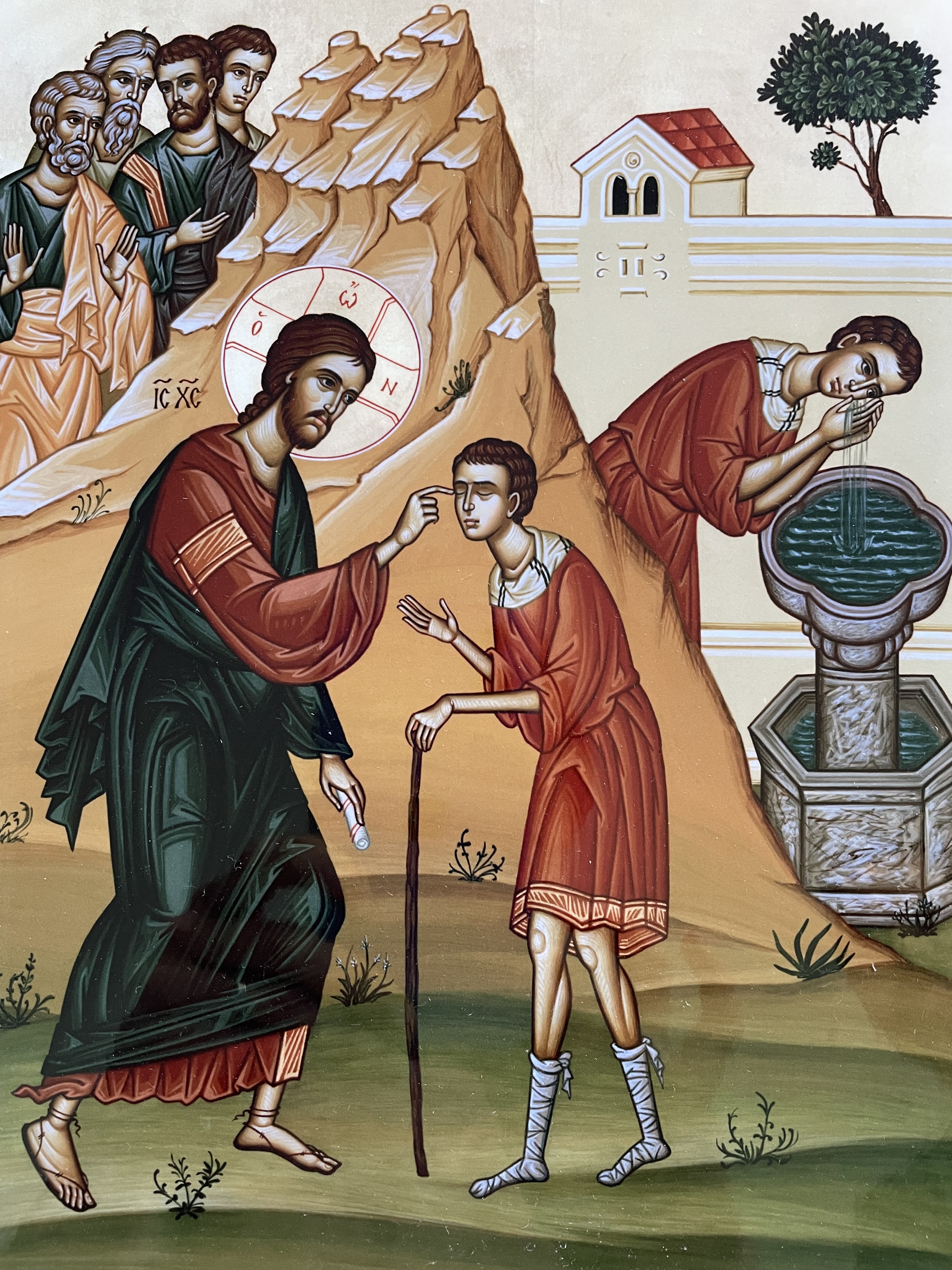
Last, Jesus also performs a number of cures in Luke 4. After one such healing, the people were astonished and said to one another, “what is it in his words? He gives orders to unclean spirits with authority and power, and they come out” (Luke 4:36). This is a very deep question that we all should ponder in our hearts. Below are just a few of the answers Scripture gives to this question.
What is it in his words?
Truth. In John 17:17, Jesus asks the Father to consecrate his children in the truth and says, “your word is truth.” Similarly, in St. Paul’s letter to the Colossians, he describes the Gospel as the “word of truth” (Colossians 1:5).
Life. In John 6:63, Jesus said, “the words I have spoken to you are spirit, and they are life.” In Philippians 2:15-16, St. Paul encourages us to shine out like bright stars in the world, offering to it the “word of life.”
Grace. In Luke 4:22, upon learning that the above passage from Isaiah was being fulfilled in their hearing, the word of God says that the people were astonished by the “gracious words” that came from Jesus’s lips. Likewise, when St. Paul was bidding farewell to the elders of the church of Ephesus, he said, “I commend you to God and to the word of his grace that has power to build you up and to give you your inheritance among all the sanctified” (Acts 20:32).
Healing and Cleansing. In Psalm 107:19-20, the people cried out to the Lord in their distress, and “he sent out his word and cured them.” In the Gospel of Matthew, the centurion recognized the power of the word of God. After the centurion pleaded with Jesus for his servant who was paralyzed and in great pain, Jesus said that he would come and cure the servant, and the centurion responded, “I am not worthy to have you under my roof; just give the word and my servant will be cured” (Matthew 8:5-8). Additionally, with respect to cleansing, Jesus said, “you are clean already, by means of the word that I have spoken to you” (John 15:3).
Faith and Salvation. In his letter to the Romans, St. Paul explains that faith comes from hearing the word of Christ (Romans 10:17). Finally, St. James calls us to humbly welcome the word of God that has been planted in us and can save our souls (James 1:21).
Let us pray for the grace to receive the powerful word of God with noble, generous, and humble hearts (Luke 8:15).
 Grace and Truth
Leave a comment